Contents
Introducing James Ayotte
Welcome to a deep dive into the world of bodybuilding, where muscle and mindset collide, and one man stands out from the crowd. James Ayotte, the powerhouse coach, is a trailblazer in the industry. He’s not just training bodies, he’s transforming lives. His unique approach to fitness and empowerment has left an indelible mark on countless individuals. His strategic leadership, alongside formidable athletes like Pecini, has helped Team Atlas rise to the pinnacle of the sport.
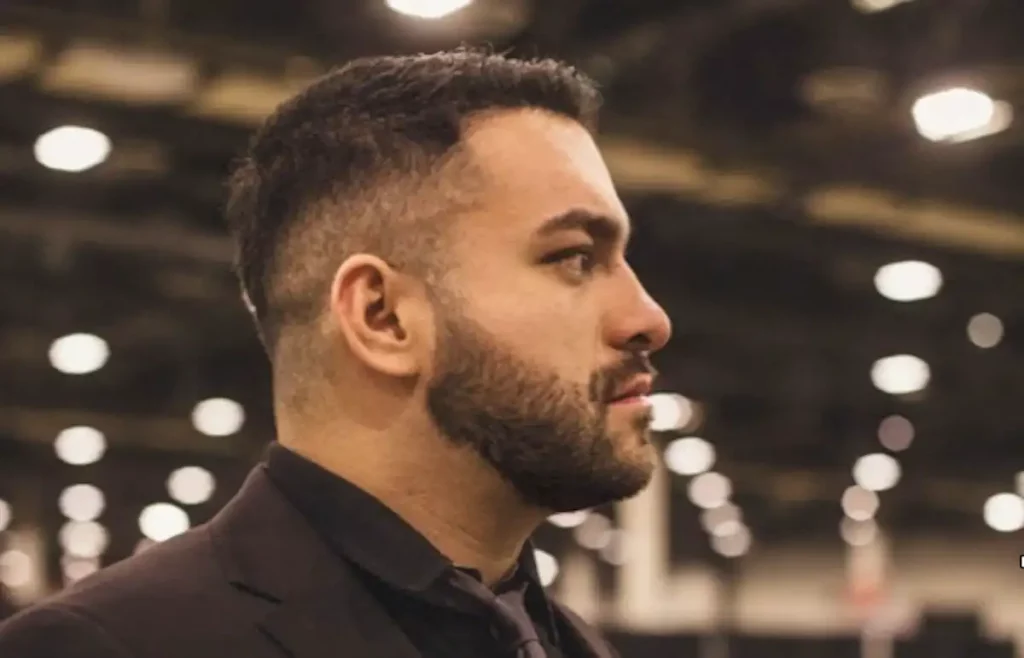
In this article, we’ll explore Ayotte’s anticipation for the 2023 IFBB Pro bikini division competition season, and the preparations of Team Atlas under his guidance. We’ll delve into how Ayotte is shifting paradigms, not just in bodybuilding, but in personal growth and empowerment as well. We’ll give you a sneak peek into the bright future of Team Atlas under his captaincy, and the new heights they’re set to achieve.
Whether you’re a fitness enthusiast or someone seeking inspiration, this journey of strength, resilience, and triumph is sure to motivate. So, get ready to step into the world of James Ayotte, a man who’s not just coaching, but inspiring a fitter, healthier future.
From Weight-Loss Warrior to Fitness Industry Pioneer
Now, Ayotte stands as a respected figure in bodybuilding. He’s not just a personal trainer. He’s a beacon of motivation. A mentor. A guide lighting the path to fitness. His name echoes across the bodybuilding community.
Not just his personal fitness story, but the remarkable results he’s produced have garnered him fame. Under his tutelage, over 66 IFBB Bikini Professionals have come to the fore since 2018. That’s not where the success story ends. His coaching prowess propelled 11 athletes to the Olympics in 2022 alone. His coaching program, Team Atlas, is setting world records and creating ripples in the industry.
In a nutshell, Ayotte has managed to transform his life and is now on a mission to help others do the same. His journey, his triumphant achievements, his sterling reputation, all bear testimony to his unwavering commitment to fitness. James Ayotte is a man on a mission, passionately transforming lives one body at a time.
The Ayotte Success Formula: His Coaching Philosophy
James Ayotte’s coaching philosophy is both simple and profound. He believes in the power of individuality. He understands that every person is unique and thus requires a bespoke approach. His focus extends beyond physical strength, encompassing mental fortitude too. His motto? The mind and body function in harmony.
Mind Over Matter
James understands the critical importance of mental health alongside physical well-being. He firmly believes that a healthy mind is the foundation of a healthy body. The willpower to hit the gym every day, the motivation to push through that final rep – it all begins in the mind.
The Path to Well-being: Regular Exercise
Exercise is a cornerstone of Ayotte’s program. But his perspective extends beyond simply bulking up or shedding pounds. Regular workouts contribute to heart health, enhance flexibility, reduce stress, and boost self-esteem. In essence, exercise cultivates a sense of well-being inside and out.
Balancing Life with Nutrition
Nutrition forms another fundamental aspect of Ayotte’s approach. Our diet impacts our physical and mental well-being. A balanced diet can help combat diseases and improve mood. Ayotte advocates for a diet rich in fruits, vegetables, lean proteins, and healthy fats. His advice? Eliminate processed foods and embrace nature’s bounty.
Facing Stress Head-On
Lastly, Ayotte emphasizes the importance of managing stress. Given our fast-paced lives, stress is inevitable. However, if not managed, it can wreak havoc on our body and mind. Ayotte recommends practices like meditation and yoga. Other stress busters in his toolkit include journaling, engaging in social activities, or indulging in a relaxing bath.
Ayotte’s coaching philosophy harmonizes exercise, balanced nutrition, and stress management, all reinforced by a strong mental focus. It’s not just about looking good on the outside, but feeling vibrant from the inside. James Ayotte’s approach champions a healthier, happier you.
Breaking Ground with Team Atlas
James Ayotte made a significant impact when he established Team Atlas. His mission was lucid – to revolutionize people’s lives through fitness. Team Atlas evolved beyond being a mere coaching organization. It became a catalyst for personal growth and transformation.
The Team Atlas Edge
Team Atlas is distinctive in its approach. How? It prioritizes the individual. Each person is unique, thus their training and nutrition programs should reflect this. Team Atlas has carved its identity with this personalization, and the results speak for themselves. Over 66 new IFBB Bikini Professionals have emerged since 2018, with 11 Olympians in 2022 alone. Furthermore, Team Atlas shattered world records in 2021 and 2022 for the highest number of IFBB Bikini Pros produced.
More than Training: A Lifestyle Transformation
Team Atlas offers an expansive view of fitness. It provides the Team Atlas Lifestyle and Transformation service, a program that embraces the whole person. It isn’t just about exercising or calorie counting. It’s about achieving health and fitness goals by considering all aspects of a person’s life.
Ayotte’s dedication takes him across the globe to see his clients compete in the IFBB Pro Bikini field. However, his vision stretches beyond singular competitions. His long-term goal is to establish Team Atlas as the primary resource for those aspiring to reach the pinnacle of their sport.
In essence, Team Atlas is more than a fitness team. It’s a transformative force, a platform where personal growth and physical health converge. Guiding this incredible journey is James Ayotte, committed to inspiring and guiding his clients every step of the way.
Record-Breaking Success
Team Atlas’s collective achievements are a testament to its success. James Ayotte’s coaching has culminated in over 66 new IFBB Bikini Professionals since 2018. This highlights his personalized approach to coaching, with each person’s training tailored to their specific needs for optimal results.
A Legacy of Success
2021 and 2022 were pivotal years for Team Atlas, breaking world records for producing the most IFBB Bikini Pros. In 2022 alone, 11 Olympians emerged from their ranks. These successes underscore the efficacy of Ayotte’s coaching philosophy and methods.
However, Team Atlas is about more than trophies and titles. At its core, Team Atlas is a catalyst for personal transformation. It’s about empowering individuals to overcome their challenges, much like Lilly Marie did. It’s about setting personal goals, striving to achieve them, and breaking records along the way.
James Ayotte’s Vision: A Bright Future for Team Atlas
James Ayotte has grand plans for Team Atlas. He yearns for more than victories. He dreams of making Team Atlas the best in the world – a beacon for anyone striving to reach their sport’s zenith. His vision encompasses more than the next competition; it extends to the future of the sport itself.
Amping Up for IFBB Pro Bikini Division Competition Season 2023
The wheels are already turning for the IFBB Pro bikini division competition season of 2023. It’s on the horizon, and it’s coming in hot. James Ayotte, the mastermind coach, is hard at work. He’s in the thick of strategizing, he’s knee-deep in planning. Every day he’s side by side with his athletes. Each workout, every routine, every diet plan is under his watchful eyes. Every move is measured, each step thoughtfully orchestrated.
Team Atlas is primed and ready to create ripples. They’re not just participating, they’re ready to rule. With a powerhouse like Pecini in their ranks, and Ayotte’s strategic leadership, the team is pumped for what lies ahead. The preparations are intense, with no stone left unturned. The goal? To make sure Team Atlas not only shines on stage, but completely dominates it.
In short, if you’re watching the future of Team Atlas, get ready for a dazzling display. With James Ayotte holding the reins, and with the added firepower of Pecini, this team is barrelling towards greatness. And the upcoming season? It’s just the launchpad. Team Atlas is not just competing, they’re on a quest to redefine the sport itself. They’re locked, loaded and ready to take the world by storm.
Conclusion
Turning Lives Around: The James Ayotte Way
When it comes to bodybuilding and coaching, the name James Ayotte stands out. It’s more than a name, it’s a symbol of change. He’s not just any coach; he’s a game-changer. His unique, personalized approach to fitness has turned lives around, time and again.
Lifting Clients, Building a Fitness Empire
You can see James Ayotte’s passion for his work in every move he makes. He’s all about power – and not just the physical kind. He’s in the business of empowering his clients. He knows it’s not just about transforming bodies, it’s about transforming minds too. It’s about building mental muscle, fostering self-confidence, boosting resilience. His job isn’t just about pumping iron, it’s about pumping up spirits. It’s about constructing tougher, stronger individuals from the inside out.
A Shining Future with Team Atlas
With James Ayotte steering the ship, the future of Team Atlas is as bright as a summer day. The team is on an upward curve, expanding, smashing records, and setting new benchmarks in the industry. There’s no looking back now. With Ayotte at the helm, the sky is the limit for what Team Atlas can conquer.
To wrap it up, James Ayotte isn’t just a coach, he’s a catalyst. He’s a trendsetter in the world of bodybuilding. His vision, his commitment to his clients and Team Atlas, is laying the foundation for a stronger, healthier tomorrow. The future is here, and it’s wearing a Team Atlas jersey.